
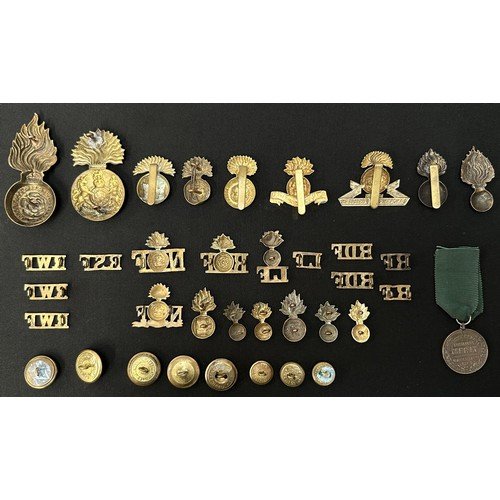
World War 1 cap badges may appear small, but they carry stories forged in sacrifice, loyalty, and endurance. During a global conflict that pulled millions into uniform, these metal insignia helped soldiers preserve identity when everything else felt uncertain. Each badge showed where a man belonged, who he served beside, and which traditions he carried into battle. Even today, historians and collectors study these badges because they provide a deeply personal window into the Great War.
This article explores world war 1 cap badges in detail, covering their purpose, materials, symbolism, national variations, and modern collectability. By the end, you’ll understand why these objects still command respect more than a century later.
WHAT ARE WORLD WAR 1 CAP BADGES
World War One cap badges were metal insignia worn on military headgear to identify a soldier’s regiment, corps, or national service. Soldiers fixed them to peaked caps, service dress hats, or soft field caps using lugs, sliders, or pins. Unlike medals awarded later, these badges formed part of daily uniform and became deeply personal.
For example, a British infantryman could be recognized instantly by his regimental emblem. That recognition helped maintain order in crowded camps and chaotic battlefields. More importantly, it gave soldiers a visible link to home, tradition, and shared purpose.
WHY WORLD WAR 1 CAP BADGES MATTERED
Military Identity and Recognition
In armies numbering in the millions, clarity mattered. Cap badges allowed officers to identify units quickly and helped soldiers regroup during confusion. A single glance often told whether someone belonged to infantry, artillery, or engineers.
Morale and Belonging
Beyond identification, badges carried emotional weight. Soldiers guarded them closely because they symbolized brotherhood. One veteran later recalled, “You could replace your boots or rifle, but you never replaced your badge.” That attachment explains why many men kept their badges long after the war ended.
MATERIALS AND MANUFACTURING OF WW1 CAP BADGES
Common Materials Used
Early in the war, manufacturers used higher-quality metals. As shortages increased, designs became simpler and more practical.
Common materials included:
- Brass for durability and shine
- Bronze for officers and ceremonial use
- White metal for economical production
- Zinc and steel during late-war shortages
How the Badges Were Made
Most badges were die-struck using heavy presses. Some volunteer units used cast designs, which often show softer details. Many original badges carry maker marks or contractor stamps on the reverse, which now help collectors confirm authenticity.
BRITISH WORLD WAR 1 CAP BADGES
The British Army’s regimental system produced one of the most diverse ranges of cap badges in military history. Each regiment used symbols tied to regional pride, royal connections, or historic battles.
Common British designs included:
- Thistles representing Scottish regiments
- Dragons symbolizing Welsh units
- Harps and shamrocks for Irish formations
- Crowns and lions showing royal allegiance
Territorial and training unit badges often featured slight variations. These differences make them especially valuable today because they reveal how the army expanded rapidly during the war.
ALLIED WORLD WAR 1 CAP BADGES
French Cap Badges
French designs focused on simplicity and clarity. Flaming grenades, regimental numbers, and crossed weapons dominated. These badges prioritized function over decoration.
German Cap Badges
German forces wore cockades and metal insignia on field caps and Pickelhaube helmets. Eagles symbolized imperial authority, while national colors reinforced unity.
Commonwealth Cap Badges
Australian, Canadian, and New Zealand forces adopted distinct national symbols, reflecting emerging identities within the empire.
Examples included:
- Australia’s rising sun
- Canada’s maple leaf
- New Zealand’s fern emblem
SYMBOLISM AND DESIGN MEANINGS
Every design element carried meaning. Nothing appeared by accident.
Common symbols included:
- Crowns representing loyalty to the monarchy
- Animals symbolizing strength or regional heritage
- Latin mottos expressing regimental values
- Weapons indicating combat roles
For example, crossed rifles usually marked infantry units, while artillery formations featured cannons or shells.
CHANGES DURING WORLD WAR 1
Early-war badges were detailed and polished. As the conflict dragged on, practicality replaced ornamentation.
Late-war changes included:
- Thinner metals
- Simplified designs
- Darkened finishes to reduce visibility
These economy versions reveal how deeply the war strained resources and reshaped military production.
HOW TO IDENTIFY AUTHENTIC WORLD WAR 1 CAP BADGES
Key Features to Look For
Authentic examples usually show period-correct fasteners, natural wear, and manufacturer marks.
Warning Signs of Reproductions
Modern copies often look too sharp or feel too light. Incorrect lugs and overly bright finishes usually signal a reproduction.
COLLECTING WORLD WAR 1 CAP BADGES TODAY
Collectors value these badges for both historical and emotional reasons. Each one connects directly to a soldier’s service.
Helpful collector tips include:
- Store badges in dry environments
- Avoid aggressive cleaning
- Research regimental history before buying
Preservation protects both the artifact and its story.
COMMON WORLD WAR 1 CAP BADGE TYPES BY COUNTRY
Country: Britain
Typical Designs: Crowns, regimental crests
Common Materials: Brass, bronze
France
Typical Designs: Numbers, grenades
Common Materials: Brass
Germany
Typical Designs: Eagles, cockades
Common Materials: Steel, zinc
Canada
Typical Designs: Maple leaf motifs
Common Materials: Brass
Australia
Typical Designs: Rising sun
Common Materials: Bronze
A REAL-WORLD EXAMPLE
A British cap badge recovered near the Somme was traced to a private from northern England. His family identified him through regimental records. Instead of becoming a collectible, the badge became a memorial. Stories like this explain why these artifacts still resonate today.
FINAL THOUGHTS ON WORLD WAR 1 CAP BADGES
World war 1 cap badges represent far more than uniform accessories. They capture identity, loyalty, and resilience during one of history’s most devastating conflicts. Whether preserved by families or studied by historians, these badges continue to speak long after the battlefield fell silent.






Leave a Reply