
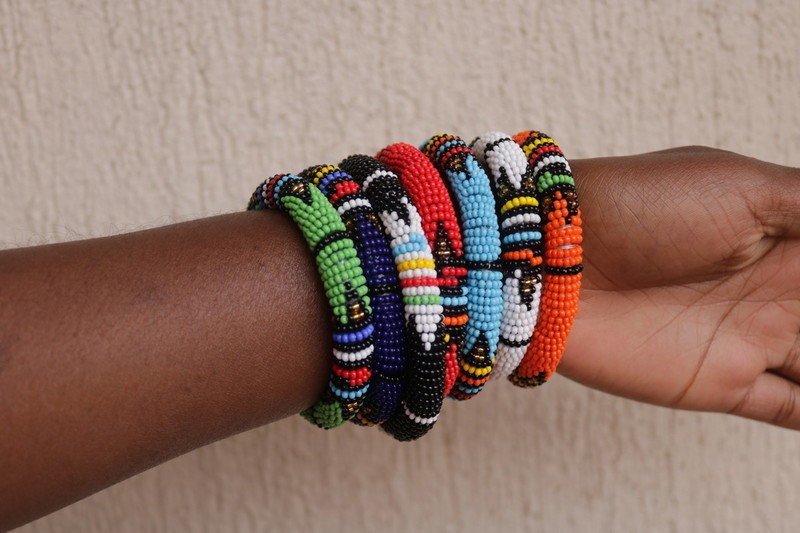
Tribal bracelets feel timeless because they carry stories that come from ancient communities that lived close to nature. You see these handcrafted bracelets in markets, festivals, and fashion collections across the world. However you rarely find a resource that explains their history, meaning, craftsmanship, and modern value in one place. This guide brings everything together in a clear, simple, and helpful way so you can understand what makes these cultural pieces so powerful.
What Are Tribal Bracelets?
Tribal bracelets are handcrafted ornaments worn by Indigenous groups to express identity, status, strength, and protection. They blend natural materials and symbolic patterns that come from centuries of tradition. These pieces show how communities used art as a language long before writing existed.
Defining Tribal Jewelry and Its Roots
Traditional jewelry carries cultural weight because it reflects beliefs, environment, and social systems. People created early bracelets with resources they found around them. Every shape, bead, and pattern represented something important. Tribes used jewelry as communication so each bracelet held meaning beyond decoration.
Why They Still Inspire Modern Fashion
Designers love working with tribal patterns because they feel raw and honest. They create emotional impact because they come from real communities and real stories. As modern buyers search for more meaningful accessories these bracelets have become a favorite choice for personal style.
Common Materials Used in Traditional Designs
These bracelets usually include natural or hand-forged materials:
- Wood
- Bone
- Shell
- Brass
- Copper
- Natural stones
- Beads
- Woven fibers
Each material carries spiritual, symbolic, or practical value.
The History Behind These Cultural Bracelets
Tribal bracelets existed thousands of years before modern jewelry. Archaeologists found early forms in Africa, Asia, and the Americas. Early communities depended on these pieces to mark identity and record heritage.
Ancient Groups That First Crafted Them
Some of the oldest examples came from:
- Maasai and Zulu communities in Africa
- Native American tribes
- Asian hill tribes including Karen and Hmong
- Pacific Island cultures
- Middle Eastern Bedouin tribes
These groups used bracelet designs to display clan membership and social roles.
How They Worked as Social and Spiritual Symbols
People wore these bracelets during rituals, celebrations, and rites of passage. Warriors used them to show courage. Healers used them as charms. Leaders used them as signs of authority.
Rituals and Ceremonies Connected to the Bracelets
Many traditions assigned a bracelet to infants for protection. Others gifted bracelets during marriages or adulthood ceremonies. These customs still appear in remote communities today.
The Cultural Meanings Behind These Bracelets
Meaning comes from color, material, and pattern.
Symbols of Strength, Unity, and Protection
Many communities believed bracelets acted as protective shields. Some tribes carved spiritual symbols into bone or stone. Others used bright beads to represent unity.
Color Psychology in Tribal Designs
| Color | Meaning in Many Tribal Cultures |
| Red | Vitality and courage |
| Blue | Peace and healing |
| Yellow | Growth and prosperity |
| Black | Strength and depth |
| White | Purity and spiritual balance |
Storytelling Through Patterns and Carvings
Patterns often represented animals, ancestors, or natural elements. For example, zigzag lines might show rivers or mountains. Dots might represent stars or tribal gatherings.
Types of Tribal Bracelets You Can Buy Today
Modern stores offer both authentic pieces and contemporary interpretations. It helps to understand regional differences.
African Designs
- Maasai beadwork: Bright colors arranged in circular patterns
- Tuareg silverwork: Engraved symbols that show strength and wisdom
- Zulu bead bracelets: Geometric color-coded messages
Native American Styles
- Turquoise and silver pieces
- Leather cuffs with feathers
- Carved bone bracelets
Asian Hill Tribe Designs
- Oxidized silver bracelets shaped with simple tools
- Woven threads wrapped around metal cores
- Fine engraving that reflects mountain culture
Pacific Island and Oceanic Designs
- Carved bone bracelets
- Shell bracelets shaped from ocean materials
- Coconut fiber weaving
Modern Tribal-Inspired Styles
- Mixed metals
- Minimal patterns
- Boho festival styles
- Streetwear stacking bracelets
Fashion brands love these pieces because they feel expressive and different from mass-produced jewelry.
How to Style Tribal Bracelets
These bracelets work with everyday clothing when styled with intention.
Everyday Styling Tips
- Wear one bold bracelet with a simple outfit
- Mix natural textures with denim or cotton
- Choose muted colors for a minimal look
Festival or Cultural Outfits
You can pair them with:
- Embroidered tops
- Boho dresses
- Linen outfits
- Traditional patterns
Layering Ideas for a Strong Look
- Combine wood, metal, and beads
- Mix thin bangles with one statement piece
- Stack bracelets from different tribal traditions
How to Choose the Right Bracelet
Your choice depends on style, meaning, and authenticity.
Pick Materials That Suit Your Look and Skin Tone
Warm tones pair well with:
- Brass
- Copper
- Brown wood
Cool tones pair well with:
- Silver
- Turquoise
- Black wood
Choosing Meaningful Symbols
Look for patterns representing values:
- Harmony
- Strength
- Spiritual growth
- Family unity
Ethical Shopping Tips
- Buy from fair-trade makers
- Check artisan background
- Support small communities
- Avoid mass-produced replicas
How to Tell if a Tribal Bracelet Is Authentic
Authentic pieces feel imperfect because they are handmade. Machine-made items often look too smooth.
Handcrafted vs Machine-Made
Handcrafted bracelets show:
- Small shape variations
- Natural textures
- Human-made carvings
Check Material Quality
Real bone, shell, silver, and wood have natural irregularities.
Red Flags When Buying Online
- Unusually cheap prices
- Identical listings
- High gloss plastic
- No information about origin
Caring for Your Bracelets
Care depends on the material.
Cleaning Tips
- Silver: use a soft cloth
- Wood: apply natural oil
- Bone: wipe with mild soap
- Beads: avoid strong chemicals
Storage Advice
- Keep them away from direct sunlight
- Store in soft pouches
- Avoid moisture for wood and bone
When to Avoid Wearing Them
Take them off during:
- Swimming
- Heavy exercise
- Outdoor labor
Where to Buy Authentic Bracelets
You can find genuine pieces in several places.
Ethical Artisan Marketplaces
Fair-trade marketplaces sell items directly from makers.
Cultural Craft Shops
Cultural centers and museums often partner with Indigenous artisans.
Trusted Online Stores
Choose platforms that verify their sellers.
Case Study: A Maasai Beadwork Workshop
A small Maasai community in Kenya used to sell beadwork only in local markets. Tourism slowed, and income dropped. A global fair-trade group partnered with them and helped them sell bracelets online. Within a year their income tripled. The artisans used earnings to send children to school and preserve their traditions. This story shows how buying genuine bracelets supports entire communities.
Quotes
“A bracelet is not just decoration. It is a memory woven into form.” – Tribal Artisan, Chiang Mai
“Every bead carries a story and every color carries meaning.” – African Craft Elder
Final Thoughts on Tribal Bracelets
These bracelets blend culture, craftsmanship, and personal meaning. They carry stories of people who shaped their identity through art. When you choose pieces made by real artisans you honor their heritage and add depth to your style. Their timeless beauty and symbolic strength make them more than accessories. They become personal stories you carry with you.







Leave a Reply