
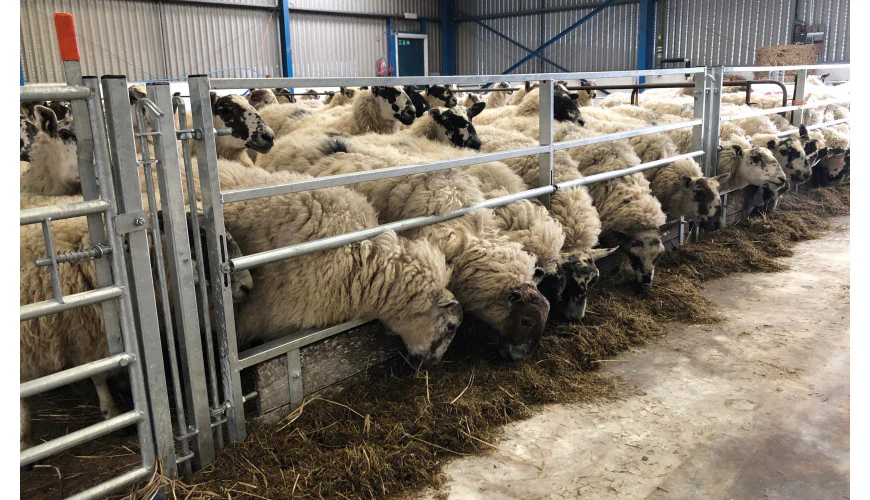
When you run a flock, you feel how fast feeding can turn chaotic. One moment things look calm then the dominant ewes rush forward and everything shifts. That’s where sheep feed barriers step in because they create order, reduce stress, and protect every animal’s access to feed. This guide helps you understand the full picture so you can decide which system works best for your farm.
What Are Sheep Feed Barriers and Why They Matter
When you study flock behaviour, you notice how competition rises during feeding. Subtle pushes turn into steady pressure then weaker sheep lose their place. Sheep feed barriers stop that scramble. They create a controlled space that lets every ewe or lamb reach the trough without constant conflict. Farmers use them to limit waste, increase safety, and reduce feed contamination.
You can find a range of barrier designs from simple rail systems to engineered adjustable setups that match both indoor and outdoor feeding lines. They solve problems such as crowding, push injuries, and uneven intake. When feeding turns smooth, animals stay calmer and you save money through better feed conversion.
Types of Sheep Feed Barriers
Each farm needs a different structure because flock size, housing style, and feed type all play a role. Below are the main categories you can compare.
Standard Steel Sheep Feed Barriers
Many farmers choose steel rails because they bring strength, longevity, and low maintenance. A solid steel frame handles pressure from larger ewes which keeps the line stable. You avoid bending and sagging over time which means your investment pays off through durability.
Pros:
- Strong construction
- Works with most trough designs
- Long lifespan
Cons:
- Higher upfront cost
- Heavy weight during installation
Price range often falls between £120–£260 per metre depending on thickness and finish.
Adjustable Sheep Feed Barriers
Adjustable systems help farms with mixed-age groups. When lambs and adults feed in the same area, you can change head spacing or barrier height to prevent entrapment and reduce bullying. These barriers usually use sliding rails or modular panels that shift as you manage seasonal changes.
DIY Sheep Feed Barriers
Some farmers build their own when budgets feel tight. Timber frames and recycled steel can work, although design mistakes happen when spacing or height isn’t measured correctly. DIY setups make sense when you have tools, experience, and time. However poorly balanced structures may warp or collapse under daily pressure.
Heavy-Duty Options for Large Flocks
Busy yards with big sheep numbers need reinforced barriers. These models include anti-push braces and thicker steel. They lower injury risk during rush periods. When weather exposure stays constant, heavy-duty coatings such as galvanized zinc give you protection against rust.
Sheep Feed Barrier Cost Breakdown
Costs vary widely so it helps to look at a clear comparison.
Cost by Material
| Material | Average Cost per Metre | Lifespan | Notes |
| Steel | £120–£260 | 10–20 years | Most durable |
| Timber | £60–£120 | 3–7 years | Needs frequent maintenance |
| Plastic Hybrid | £80–£150 | 8–12 years | Lightweight and weather resistant |
You’ll notice steel costs more upfront but outlasts most alternatives.
Installation Cost
Installation expenses depend on distance from suppliers, complexity of the structure, and whether you hire labour. Rural regions sometimes pay less because agricultural contractors already own the gear to handle long panels.
Average installation fees:
- £150–£400 for small setups
- £500–£1200 for larger lines
DIY installation saves money although it takes skill and the right tools.
Maintenance and Replacement
You extend lifespan by inspecting welds, treating rust early, and keeping troughs clean so feed doesn’t accumulate under the frame. Annual checks help you catch early bending or stress marks.
How to Choose the Right Sheep Feed Barrier
Key Factors to Consider
When choosing a system, analyze your flock size, available shed space, and the feed you offer. Pellets and grain allow narrow spacing then hay requires wider openings because sheep stretch more during chewing.
General guidelines:
- Provide 40–50 cm of frontage per adult
- Lower barriers for lambs
- Ensure spacious backing area to prevent crowding behind the line
Important Safety Features
Look for rounded edges, anti-entrapment spacing, and stable anchoring points. These small details prevent injuries when sheep jostle for position.
Weather Resistance and Durability
Outdoor lines need coatings that stand against rain and UV. Galvanized steel or powder-coated frames resist corrosion then timber must be treated yearly.
Installation Guide for Sheep Feed Barriers
Measuring Your Space Correctly
Many issues come from poor measurements. Use a simple checklist:
- Length of feeding line
- Height from ground to rail
- Distance between head openings
- Clearance behind the barrier
When you measure twice you avoid costly repositioning later.
Step-by-Step Installation
- Map the full line with chalk or string
- Anchor posts firmly
- Bolt or weld panels in sections
- Test stability by applying pressure
- Align troughs and ensure smooth access
Case Study: Efficiency Boost on a 200-Ewe Farm
A Welsh hill farm replaced old timber rails with reinforced steel. Before the upgrade, feeding took 35 minutes and bullying increased during winter. After installing stronger rails, feeding dropped to 18 minutes and feed waste fell by 22%. The farmer noted “The flock stays calmer because every ewe finds a spot without fighting.”
Benefits of Using High-Quality Sheep Feed Barriers
When you use a robust system, several improvements appear quickly. You reduce feed waste because sheep can’t pull material onto the ground. You protect weaker animals from being shoved aside. Cleaning becomes easier because barriers lift feed troughs to a consistent height. Over time you save money because healthier ewes convert feed more efficiently.
Common Mistakes Farmers Make
Even good equipment fails when used incorrectly. Some farmers mount barriers too low which restricts access. Others ignore the difference between lambs and adult sheep which leads to trapped heads. Weak materials seem affordable at first then they bend under pressure which forces replacement sooner than expected.
Where to Buy Sheep Feed Barriers
You can purchase barriers from agricultural supply stores, local metal fabricators, or online marketplaces that specialize in livestock equipment. When you shop online check reviews, read material specifications, and confirm warranty details before you order.
Frequently Asked Questions
How long do barriers last?
Steel frames often last a decade or more depending on weather and maintenance.
What spacing works best?
Adult sheep usually need 25–35 cm between rails while lambs need less.
Does barrier height matter?
Yes because low rails limit movement and high rails reduce control at feeding time.
Final Thoughts on Choosing the Right Sheep Feed Barrier
Smart feeding starts with structure. When you choose reliable sheep feed barriers, you build a calmer environment that supports consistent growth and better flock health. Treat the purchase as a long-term investment that strengthens your farm’s daily rhythm. If you pick the right system, your feed goes further and your sheep stay happier.






Leave a Reply