
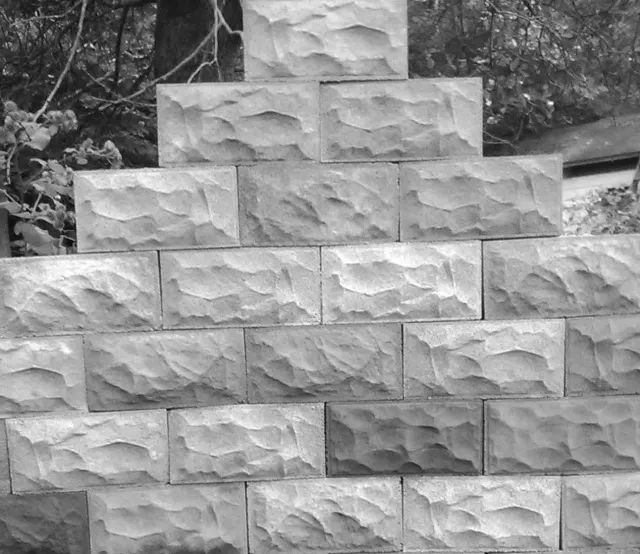
When you start a construction or landscaping project, choosing the right materials can make all the difference. Rock face block combines durability, texture, and aesthetic appeal, making it a popular choice for walls, facades, and retaining structures. This guide dives deep into types, costs, installation, and practical tips so you know exactly what to expect before buying.
What Is a Rock Face Block and Why It Matters
A rock face block is a type of concrete masonry unit with a rough, textured surface that mimics natural stone. Unlike smooth or standard concrete blocks, these blocks offer a decorative finish while maintaining strength. Builders and landscapers favor them because they provide both visual appeal and structural reliability.
Applications include:
- Retaining walls
- Exterior facades for houses and commercial buildings
- Landscaping features such as garden borders and raised beds
- Driveway or pathway edging
The texture and finish give a rustic look while the block itself supports heavy loads. Using the right block reduces maintenance costs and improves long-term durability.
Types of Rock Face Blocks
Standard Concrete Rock Face Blocks
These are the most common type used in general construction. They provide strength and durability while maintaining a rough-textured appearance. Standard blocks are easy to install and suitable for both load-bearing and non-load-bearing walls.
Pros:
- Affordable
- Widely available
- Durable and easy to handle
Cons:
- Limited color options
- Less decorative than split-face or patterned blocks
Split-Face Rock Blocks
Split-face blocks have a more pronounced texture. Each block is split during manufacturing, giving a rugged, natural stone look. They are ideal for feature walls, facades, and landscaping projects where aesthetics matter.
Benefits:
- High visual appeal
- Resistant to weathering
- Perfect for accent walls and decorative landscaping
Drawbacks:
- Slightly higher cost than standard blocks
- Installation requires more precision
Decorative Rock Face Blocks
These blocks come in a variety of colors, shapes, and finishes. They are often used in commercial and residential architecture to create visually striking walls. Decorative blocks may include rounded edges, patterned surfaces, or pigmented finishes for design versatility.
Advantages:
- Wide color options
- Eye-catching texture
- Enhances property value
Considerations:
- Higher price per unit
- Needs skilled labor for installation
Reinforced Rock Face Blocks
For retaining walls or load-bearing structures, reinforced blocks integrate steel or fiber reinforcement. They combine aesthetic appeal with structural integrity, making them suitable for larger projects where stability is critical.
Rock Face Block Cost Breakdown
Costs vary based on block type, size, finish, and location. Here’s a quick reference table for typical UK and US prices:
| Block Type | Size/Dimension | Price per Block | Application |
| Standard Concrete | 440x215x100mm | £1.50–£2.50 | General construction |
| Split-Face | 440x215x100mm | £2.50–£4.00 | Decorative walls, facades |
| Decorative Colored | 440x215x100mm | £3.50–£6.00 | Residential/commercial features |
| Reinforced | 440x215x100mm | £4.00–£7.00 | Retaining walls, load-bearing |
Additional costs:
- Mortar and adhesives: £5–£10 per m²
- Labour: £30–£50 per m²
- Delivery charges vary depending on distance
Buying in bulk often reduces unit costs, but always consider delivery fees and storage.
Advantages of Using Rock Face Blocks
Aesthetic Benefits
Rock face blocks create a textured, natural look that is visually appealing. They can transform a plain wall into a feature wall or enhance landscaping. You can match colors and finishes to complement surrounding architecture.
Structural Strength
Blocks are manufactured to meet compressive strength standards, making them suitable for load-bearing walls and retaining structures. Reinforced options add extra support for heavier applications.
Low Maintenance and Longevity
Unlike natural stone, these blocks require minimal upkeep. They resist weathering, fading, and cracking under normal conditions, providing decades of durability.
How to Choose the Right Rock Face Block for Your Project
Project Requirements and Load Bearing
- Retaining walls need reinforced blocks
- Decorative walls may only require standard or split-face blocks
Color, Finish, and Texture
- Match the block to your home’s exterior or landscape design
- Consider textured patterns for visual interest
Budget and Cost-Effectiveness
- Standard blocks for basic structures
- Decorative or reinforced blocks for premium results
- Bulk purchases save money for large projects
Installation Guide for Rock Face Blocks
Preparing the Foundation
- Level the ground and lay a solid base of gravel or concrete
- Ensure proper drainage to avoid water damage
Laying Rock Face Blocks
- Use mortar or recommended adhesive
- Maintain alignment and level throughout
- Check spacing for expansion and contraction
Finishing and Sealing
- Grout joints if needed
- Seal blocks for weatherproofing and long-term protection
Case Study: Residential Retaining Wall
A homeowner in Yorkshire used split-face blocks to build a 2m-high retaining wall. The project cost £1,200 including labor, materials, and delivery. Proper drainage and alignment ensured stability and reduced future maintenance.
Common Mistakes to Avoid
- Skipping proper foundation preparation
- Ignoring drainage requirements
- Using the wrong block type for load-bearing walls
- Uneven spacing or inconsistent alignment during installation
Where to Buy Rock Face Blocks
- Local masonry suppliers
- Building centers and DIY stores
- Online distributors specializing in construction materials
Tip: Always check material certifications and reviews to ensure quality.
Frequently Asked Questions About Rock Face Blocks
Q: How long do rock face blocks last?
A: Typically 50–100 years depending on quality, exposure, and maintenance.
Q: Can they be painted or coated?
A: Yes, but choose breathable masonry paints to prevent cracking or moisture issues.
Q: Are they suitable for all climates?
A: Yes, but reinforced or treated blocks are better for extreme weather.
Q: How do they compare to natural stone in cost?
A: Rock face blocks are more affordable, easier to install, and require less maintenance than natural stone.
Final Thoughts on Choosing and Using Rock Face Blocks
Rock face blocks blend strength, texture, and aesthetics, making them an ideal choice for both functional and decorative projects. Whether you are building retaining walls, feature facades, or landscaping features, choosing the right type, understanding costs, and following proper installation ensures long-term success. Investing in quality blocks and skilled installation will save time, money, and maintenance headaches for years to come.








Leave a Reply