
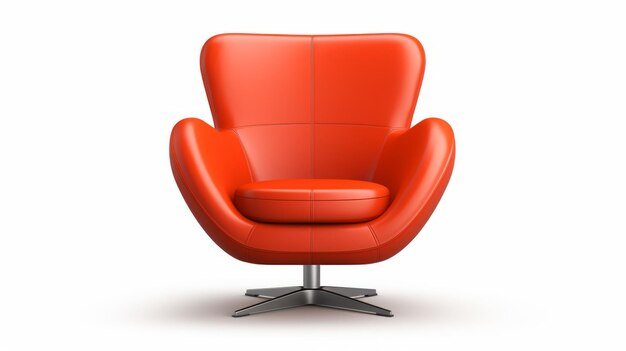
Orange leather sits in a category of its own because it brings energy, warmth, and personality to anything it touches. You see it in luxury handbags, designer jackets, custom furniture, and even high-end automotive interiors. Designers love it because the color carries a sense of optimism and individuality. Consumers love it because it stands out without feeling loud or overwhelming. When crafted well, this material bridges the gap between classic craftsmanship and modern style.
What Is Orange Leather?
Orange leather refers to any natural or synthetic hide that has been dyed in shades ranging from deep burnt orange to bright citrus. Unlike the typical brown or black hides, this vibrant tone requires precise dyeing techniques to achieve consistency and depth. You get a material that feels alive because the color enhances the natural grain. Craftsmen often prefer this tone because it highlights texture beautifully and adds warmth to both fashion and interior applications.
Vibrant leather has been trending for years. People want accessories and décor that feel personal. Orange tones deliver that emotional connection. They also match surprisingly well with other colors which makes the material more versatile than many expect.
The History and Evolution of Orange Leather
Early Uses of Dyed Leather
Early civilizations experimented with plant-based dyes long before modern chemical processes existed. Artisans used bark, roots, flowers, and minerals to give leather richer tones. Orange shades came from pigments found in saffron, turmeric, and ochre. These natural dyes created warm hues that expressed cultural identity and artistic expression.
Modern Adoption in Fashion and Design
The mid-1900s brought a design revolution. Furniture makers and couturiers started exploring bold colors. Orange became a favorite because it added life to sleek modern shapes. Today you see this material everywhere from runway collections to bespoke automotive interiors. It symbolizes confidence and creativity which explains why luxury houses continue to use it across their seasonal lines.
Types of Orange Leather
Full-Grain Orange Leather
Full-grain hides offer the highest quality because they keep the natural surface intact. They develop a deeper patina over time and retain outstanding strength. Craftsmen often use them in premium bags, belts, and long-lasting furniture. The color appears richer on this grain because the leather absorbs dye unevenly which creates organic variation.
Top-Grain Orange Leather
Top-grain hides go through a light sanding process that removes imperfections. You get a smoother finish that works nicely for fashion accessories like wallets and structured handbags. This type accepts dye well which results in clean, even tones.
Genuine and Corrected-Grain Orange Leather
Corrected-grain hides receive a heavier sanding treatment and sometimes an embossed pattern. They cost less and offer good durability. Manufacturers often use them for mid-range shoes, jackets, and upholstery. You lose some natural texture but you gain uniform appearance.
Vegan and Faux Orange Leather
Faux options include PU, microfiber, and plant-based materials like pineapple fiber or mushroom-derived leather. These alternatives appeal to buyers who want lower maintenance and eco-friendly choices. Many synthetic variations mimic the warmth and richness of genuine leather while delivering consistent color.
How Orange Leather Is Made
Tanning Process
Tanning stabilizes hides and prepares them for dye. The two main methods are:
- Vegetable tanning: Uses natural tannins and produces firm leather with earthy undertones.
- Chrome tanning: Creates soft, flexible leather with vibrant color potential.
Each method affects how the dye reacts with the hide which influences final shade and texture.
Dyeing Techniques for Orange Leather
Common techniques include:
- Drum dyeing: Immerses hides in rotating barrels. Color penetrates deeply which improves longevity.
- Spray dyeing: Applies pigment to the surface which allows designers to achieve specific gradients and effects.
Aniline dyes keep the grain visible while pigmented dyes create a uniform surface.
Surface Finishing Methods
Finishing protects the leather and enhances appearance. Artisans may add matte or glossy coatings, heat-press textures, or apply waterproof sealants. These steps ensure the material stays vibrant even with frequent use.
Why Orange Leather Stands Out in Fashion and Design
Aesthetic Impact
This color radiates warmth and confidence. Psychologists connect orange with creativity, enthusiasm, and openness. When applied to leather it softens sharp silhouettes and adds depth to minimal designs. You notice the material instantly which makes it ideal for statement pieces.
Versatility in Styling
People often assume orange fits only bold wardrobes. In reality it pairs beautifully with neutrals like beige, black, white, and charcoal. Earth tones such as olive, tan, and brown also complement it well. This versatility helps designers create balanced collections that still feel adventurous.
Growing Popularity Across Industries
You see the material in:
- Luxury handbags
- High-end sneakers
- Automotive interiors
- Accent chairs and sofas
- Tech accessories
Its broad appeal reflects its ability to transform ordinary items into standout pieces.
Popular Products Made from Orange Leather
Orange Leather Jackets
These jackets combine vintage charm with contemporary edge. You get biker cuts, bombers, and tailored silhouettes. The color works particularly well in fall outfits because it echoes the season’s natural palette.
Orange Leather Bags and Accessories
Wallets, belts, gloves, and structured handbags benefit from the warm tone. Many designers release signature orange pieces because the color becomes instantly recognizable in their collections.
Orange Leather Shoes and Boots
Shoes crafted in this tone create a playful yet polished look. Premium hides ensure comfort and improved aging. The color often softens as the leather breaks in which adds character.
Orange Leather Furniture and Home Décor
A sofa or accent chair covered in orange leather becomes the focal point of any room. It adds depth to minimal spaces and warmth to industrial interiors. You also see this tone in ottomans, bar stools, and home office chairs.
How to Style Orange Leather
Fashion Styling Tips
Pair it with:
- Black for contrast
- Denim for everyday comfort
- White for a fresh, clean look
- Olive or brown for earthy tones
A single item like a jacket or bag usually makes the strongest impression.
Interior Design Pairings
Orange works well with muted neutrals because it introduces energy without overwhelming the space. Designers often pair it with warm woods, charcoal walls, or soft beige textiles.
Choosing the Right Tone
The market offers many tones:
- Burnt orange: Warm and rich
- Terracotta: Earthy and understated
- Bright citrus: Energetic and modern
Each shade creates a different mood.
Care and Maintenance for Orange Leather
Cleaning Methods
- Condition every few months to prevent dryness
- Wipe spills immediately
- Use cleaners specifically made for leather
Consistency keeps the color from dulling.
Protection Against Fading
Sunlight fades any dyed hide. Keep items away from direct sun and store them in breathable bags. Heat also weakens protective coatings so avoid leaving leather near radiators or vents.
Repairing Scratches and Wear
Minor scratches often blend after conditioning. Deeper marks may require a leather technician. They can re-dye small areas and restore the surface without changing the overall shade.
Pros and Cons of Orange Leather
| Feature | Pros | Cons |
| Durability | Strong, long lasting | Requires conditioning |
| Appearance | Bold, warm, expressive | Can overwhelm minimal outfits |
| Maintenance | Easy with regular care | Sensitive to sunlight |
| Cost | Available in various price levels | Premium hides cost more |
Best Brands Known for Quality Orange Leather
Luxury Fashion Houses
High-end designers release orange pieces every season because they know the tone sells well. Their collections often include structured handbags, limited-edition jackets, and modern footwear.
Artisan Leather Workshops
Independent craftsmen create pieces with hand-stitched details and natural dyes. Their methods produce leather with depth, character, and longevity.
Sustainable and Ethical Brands
Eco-friendly companies experiment with plant-based materials and transparent sourcing. You still get vibrant color without conventional chemical processes.
Case Studies: How Orange Leather Transforms Style and Space
Case Study: The Iconic Orange Leather Handbag Trend
A boutique brand launched a limited series of orange handbags. Social media attention skyrocketed because the color photographed beautifully. Sales increased and the bag became a signature item for the brand.
Case Study: Orange Leather Interior in a Modern Living Room
An interior designer used a pair of orange leather chairs to brighten a minimalist room. The chairs created warmth and balance. Clients loved how the space felt more welcoming without losing its clean aesthetic.
Case Study: A Custom Orange Leather Jacket That Became a Signature Piece
A musician commissioned a handmade jacket in a deep, burnt shade. It became part of their identity and appeared in album covers, music videos, and performances. The color made the piece unforgettable.
Frequently Asked Questions About Orange Leather
Does this leather fade faster than darker tones?
It can fade if exposed to direct sunlight for long periods. Protective coatings and proper storage help maintain the shade.
What colors pair best with orange?
Black, white, tan, olive, brown, and denim work well because they create contrast or harmony.
Is orange considered trendy or timeless?
It works as both. The tone recurs in fashion cycles yet remains surprisingly classic in interior design.
How do you clean brighter shades safely?
Use neutral leather cleaners and test small patches first.
Final Thoughts: Why Orange Leather Is More Than a Color Choice
This material brings life, character, and individuality to anything it touches. It offers expressive style in fashion and warmth in interior design. When you choose a well-crafted piece you get durability, beauty, and a sense of personality that never feels generic. Orange leather stands out because it celebrates creativity and invites you to embrace bold design choices with confidence.





Leave a Reply