
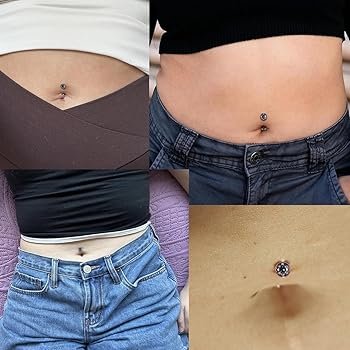
When it comes to body piercings that blend style with subtle sophistication, the floating belly button piercing stands out. This trendy twist on the classic navel piercing creates a clean, elevated look — as if the jewelry is effortlessly “floating” on your skin. But before you book your appointment, it’s important to understand how it works, how to care for it, and whether it’s the right choice for you.
This guide breaks down everything you need to know — from the piercing process to aftercare, healing, and expert tips for long-term success.
What Is a Floating Belly Button Piercing?
A floating belly button piercing is a modern alternative to the traditional navel piercing. Instead of sitting inside the navel fold, it’s placed slightly higher or lower on the skin surface, depending on your anatomy. The “floating” effect comes from the type of jewelry used — typically a flat, disc-shaped top that rests neatly on the skin while the barbell remains hidden beneath.
The Anatomy Behind the Look
For this piercing, the piercer inserts a surface bar rather than a standard curved barbell. This design allows the jewelry to lie flat against your skin, reducing tension and enhancing comfort.
People with flatter or smaller navels often prefer floating piercings because traditional ones may not align well with their anatomy. The result? A sleek, minimalist aesthetic that works beautifully with crop tops, swimsuits, or high-waisted styles.
Floating vs Traditional Belly Button Piercing
While both styles enhance your midsection, there are key distinctions in placement, healing, and maintenance.
Comparison Table
| Feature | Floating Belly Button Piercing | Traditional Belly Button Piercing |
| Placement | On the skin’s surface | Through the upper rim of the navel |
| Jewelry Type | Surface bar or flat disc | Curved barbell |
| Healing Time | 3–6 months | 6–12 months |
| Rejection Risk | Moderate | Lower |
| Look | Modern, minimalist | Classic and curved |
Floating piercings require a skilled professional because of the precise depth and angle needed. Done incorrectly, the jewelry might reject or migrate over time. That’s why choosing an experienced piercer is just as important as selecting the jewelry.
How Is a Floating Belly Button Piercing Done?
The process starts with a consultation. Your piercer will examine your navel anatomy to determine the best placement. Once you agree, the area is disinfected, marked, and prepared for piercing.
Step-by-Step Process
- Marking the Area: The piercer uses a sterile marker to indicate the entry and exit points.
- Cleaning and Sterilizing: The area is thoroughly cleaned to prevent infection.
- Piercing: A hollow needle is inserted through the marked points.
- Jewelry Insertion: A surface bar or titanium disc is placed immediately.
- Aftercare Instructions: Your piercer provides detailed healing guidelines before you leave.
Most people describe the pain as a quick pinch — around 3–4 on a 10-point scale. Some feel mild soreness or tightness for a few days after.
Floating Belly Button Piercing Aftercare and Healing
Healing a floating navel piercing demands patience and consistency. Unlike traditional piercings that sit in a natural fold, floating piercings heal through the skin’s surface, making them slightly more delicate.
Essential Aftercare Tips
- Clean twice daily using a saline solution (not alcohol or hydrogen peroxide).
- Avoid touching the piercing with unwashed hands.
- Wear loose clothing to prevent friction and irritation.
- Avoid pools, hot tubs, or lakes for at least 6 weeks.
- Sleep on your back to reduce pressure on the area.
Healing Timeline
| Timeframe | What to Expect | Care Tips |
| 1–2 weeks | Swelling, redness, mild discharge | Clean with saline twice daily |
| 3–6 weeks | Scabbing and minor itching | Avoid changing jewelry |
| 2–4 months | Noticeable healing progress | Continue gentle cleaning |
| 4–6 months | Fully healed for most | Switch jewelry if desired |
Healing times vary depending on your body’s response and your adherence to aftercare.
Expert Tip: “Your skin tells the story. If it’s red, swollen, or sore after several weeks, don’t ignore it — check in with your piercer,” advises Jade Monroe, a professional piercer with over a decade of experience.
Choosing the Right Jewelry for Your Floating Piercing
The jewelry plays a massive role in both comfort and healing success.
Best Materials
- Titanium: Hypoallergenic and lightweight, ideal for sensitive skin.
- Surgical Stainless Steel: Durable and affordable.
- Niobium: Flexible and corrosion-resistant.
Popular Jewelry Styles
- Flat disc tops for a subtle look.
- Gemstone studs to add sparkle.
- Opal or crystal inserts for a chic, glowing effect.
Changing your jewelry too soon can disrupt healing. Wait at least 4–6 months before swapping it out, and ideally, have your piercer handle the first change.
Risks of Floating Belly Button Piercings (and How to Prevent Them)
Every body modification carries some risk. For floating piercings, the most common concerns are rejection and migration.
Common Risks
- Rejection: The body pushes the jewelry out like a splinter.
- Infection: Often caused by poor hygiene or dirty hands.
- Irritation: Tight clothing or belts rubbing against the piercing.
How to Reduce Risks
- Choose implant-grade materials only.
- Follow aftercare instructions meticulously.
- Avoid tanning lotions or oils near the piercing.
- Visit your piercer regularly during the healing phase.
“Rejection isn’t always avoidable, but proper jewelry and placement dramatically reduce the risk,” says piercer Alex Torres.
Cost of a Floating Belly Button Piercing
Prices vary depending on the studio, piercer expertise, and jewelry material.
| Region | Average Cost | Includes |
| USA | $50–$120 | Jewelry and aftercare advice |
| UK | £40–£90 | Basic jewelry |
| Australia | $70–$150 AUD | Often includes saline solution kit |
Cheaper options might sound tempting but often use low-quality metals or poor sanitation practices, leading to complications later. Always prioritize safety over savings.
Floating Belly Button Piercing Styles and Trends
This piercing isn’t just a body mod — it’s a fashion statement. Celebrities and influencers have revived the floating navel piercing trend, often pairing it with minimalist jewelry or subtle gemstones.
Trending Styles
- Single flat gem: Simple and elegant.
- Double floating piercings: Two discs placed vertically for a bold look.
- Micro-crystal discs: Perfect for delicate aesthetics.
Social media has also popularized anatomy-friendly placements, adapting floating piercings for diverse body types.
Pros and Cons of Floating Belly Button Piercings
| Pros | Cons |
| Unique and stylish look | Slightly higher rejection rate |
| Ideal for flat navels | Needs careful aftercare |
| Modern aesthetic appeal | Fewer experienced piercers available |
| Shorter healing time for some | Jewelry limitations |
Real Experiences and Expert Opinions
Many people love the minimalist look and comfort once healed. For example, Sophia, 27, shared her experience:
“I chose a floating belly piercing because my navel wasn’t deep enough for a traditional one. It healed faster than I expected, and I love how sleek it looks with crop tops!”
Experts emphasize the importance of professional service and patience during healing. Proper technique and good aftercare make all the difference between a beautiful result and a rejected piercing.
Is a Floating Belly Button Piercing Right for You?
If you love the look of a belly piercing but want something subtler and more modern, a floating belly button piercing might be perfect for you. Just make sure you:
- Choose a reputable studio
- Follow aftercare strictly
- Invest in high-quality jewelry
Ultimately, the decision depends on your anatomy and lifestyle. When done properly, this piercing offers a stunning, low-maintenance way to express your individuality.
Final Thought:
A floating belly button piercing isn’t just another trend — it’s a refined blend of art, anatomy, and self-expression. With the right care, it can be both a personal statement and a timeless accessory that never goes out of style.







Leave a Reply