
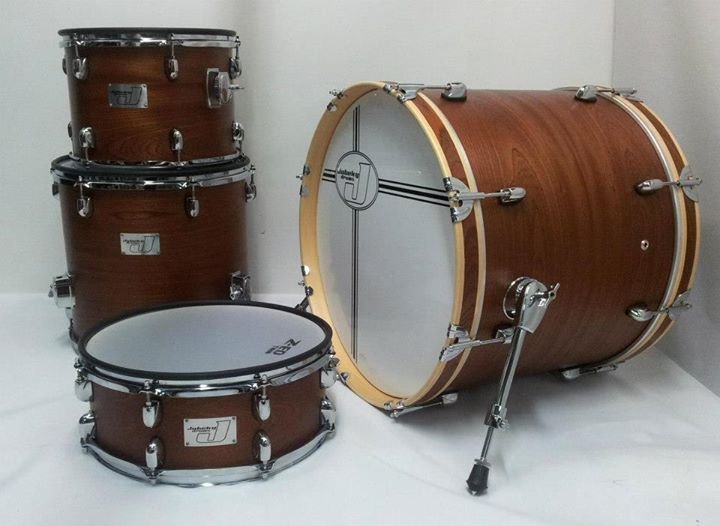
If you’ve ever looked closely at a professional drum set, you’ve probably noticed the smooth, shiny finishes that make each kit stand out. That finish isn’t always paint—often, it’s a drum wrapper. These high-quality covers do more than enhance appearance. They protect the drum shell, offer unique design possibilities, and even influence durability over time. Understanding drum wrappers is essential for drummers who care about both aesthetics and performance.
What Is a Drum Wrapper?
A drum wrapper is a protective and decorative covering applied to a drum shell. Unlike paint or stain, which penetrates or coats the wood directly, wraps are typically made from vinyl, laminate, or other materials that adhere to the shell’s surface. They protect drums from scratches, moisture, and general wear while offering virtually limitless customization options.
Drum wrappers can replicate wood grains, create metallic finishes, or add bold patterns like sparkle or geometric designs. They are also easier to maintain than painted shells, making them a favorite for touring drummers and studio musicians alike.
The Purpose and Benefits of Drum Wrappers
Protecting the Drum Shell
The first and most obvious benefit of a drum wrapper is protection. Vinyl or laminate wraps shield the shell from scratches, minor impacts, and moisture damage. High-quality wraps prevent warping over time, preserving the structural integrity of the drum.
Aesthetic Appeal
Beyond durability, drum wrappers provide a stunning visual impact. Drummers can choose gloss, matte, metallic, or custom designs. For example, a sparkling red vinyl wrap can turn an ordinary drum set into a showpiece for stage performances or videos. Wraps also allow players to coordinate their kit with hardware like rims, lugs, and pedals.
Sound Considerations
Many drummers wonder if wrappers affect tone. While extremely thin wraps have minimal impact on resonance, high-quality vinyl or laminate wraps generally do not alter the drum’s sound. The shell material and drumhead remain the primary influencers of tone, but a poorly installed wrap could cause slight damping if it is uneven or bunched.
Types of Drum Wrappers
Vinyl Drum Wraps
Vinyl is the most common material for drum wraps. It is flexible, durable, and cost-effective. Vinyl wraps are available in solid colors, metallics, and custom patterns, making them versatile for both hobbyists and professional drummers.
Gloss and Matte Finish Wrappers
Gloss wraps reflect stage lights brilliantly and create a bold, polished look. Matte wraps provide a more understated, professional appearance. Both finishes are popular for studio and stage kits, and they can be mixed to create contrasting textures.
Specialty Pattern Wrappers
Specialty wraps include wood grain, sparkle, metallic, and other unique patterns. Some drummers even opt for custom prints featuring logos, album art, or personal artwork. These wraps allow musicians to make a kit uniquely their own.
Materials Used in Drum Wrapping
| Material | Durability | Appearance Options | Maintenance | Cost Range |
| Vinyl | High | Solid colors, metallic, patterns | Easy | Low-Medium |
| Laminate | Very High | High-end wood grain, textures | Moderate | Medium-High |
| Textured Vinyl | Medium | Leather, embossed, brushed styles | Moderate | Medium |
Vinyl
Vinyl wraps are flexible, easy to work with, and widely available. They resist moisture and scratches, making them ideal for drummers on the move.
Laminates
High-quality laminates replicate wood grains or intricate patterns better than vinyl. They are slightly more expensive but provide a professional, luxurious look.
Textured Finishes
Textured wraps offer a tactile element. Leather-style or embossed finishes can enhance both stage aesthetics and tactile feedback when moving drums.
How to Choose the Right Drum Wrapper
Consider the Drum’s Purpose
For a touring drummer, durability is paramount. Studio drummers may prioritize subtle, sophisticated aesthetics. A drum wrapper should match your playing style, stage exposure, and the environment where drums will be stored.
Color and Design Preferences
Choose a wrap that complements your hardware and the overall look you desire. Contrasting textures and colors can make your kit stand out, while muted tones create a classic, professional vibe.
Installation and Maintenance
You can install wraps yourself or hire a professional. DIY installation is cheaper but may result in bubbles or misalignment. Professionals ensure a smooth finish, precise edges, and long-lasting adhesion. Maintenance involves gentle cleaning with a soft cloth and mild solutions.
Popular Drum Wrapper Brands and Options
| Brand/Manufacturer | Material Options | Customization Options | Price Range | Durability |
| Ludwig | Vinyl, Laminate | Sparkle, wood grain | $$–$$$ | High |
| PDP (Pacific Drums) | Vinyl | Matte, Gloss, Custom prints | $–$$ | Medium |
| Remo | Laminate | High-end textures | $$–$$$ | Very High |
| DW (Drum Workshop) | Vinyl, Laminate | Luxury wood grains, colors | $$$–$$$$ | Very High |
DIY Drum Wrapping vs Professional Wrapping
Pros and Cons of DIY Wrapping
- Pros: Cost-effective, allows creativity, learnable skill
- Cons: Risk of air bubbles, misalignment, uneven edges
Benefits of Professional Wrapping
- Perfect precision and edge alignment
- Smoother surfaces with no wrinkles or bubbles
- Often comes with a warranty or guarantee
Maintenance Tips for Drum Wrappers
Cleaning and Polishing
- Use a soft microfiber cloth with mild soap and water
- Avoid harsh chemicals that can damage vinyl or laminate
- Wipe gently to prevent scratching
Repairing Minor Damage
- Small scratches on vinyl can be patched with adhesive vinyl
- Laminates may require professional repair if edges peel
- Regular inspection prevents larger problems
Storing Wrapped Drums
- Avoid high humidity and direct sunlight
- Keep in padded cases when transporting
- Maintain moderate temperature to prevent adhesive failure
Common Mistakes to Avoid When Wrapping a Drum
- Using the wrong adhesive or incompatible materials
- Skipping proper shell preparation
- Stretching vinyl too tightly, causing warping
- Ignoring maintenance post-installation
Case Studies: Drum Wrappers in Action
Case Study 1: Vinyl Sparkle Wrap on a Touring Kit
A professional drummer used a silver sparkle vinyl wrap for a touring kit. It maintained its shine through hundreds of performances and resisted scratches from frequent transport.
Case Study 2: Custom Wood Grain Laminate in a Recording Studio
A studio drummer opted for a laminated oak finish on a snare kit. The wrap looked like natural wood, blended perfectly with acoustic room decor, and added durability without affecting tone.
Case Study 3: Matte Finish Wrap for Home Practice Kit
A drummer applied a matte black vinyl wrap at home. It reduced glare from overhead lights and gave the kit a minimalist aesthetic while keeping the shell protected.
Frequently Asked Questions About Drum Wrappers
Do drum wrappers affect sound quality?
Minimal effect if applied correctly. Shell material and drumhead have a greater impact.
Can I change wraps without damaging my drum?
Yes, especially with vinyl. Professionals recommend careful removal to avoid scratches.
How long does a drum wrap last?
With proper care, high-quality wraps last 5–15 years, depending on usage.
Are custom wraps expensive?
Custom designs cost more than standard colors but provide a unique look and professional finish.
Final Thoughts: Why Choosing the Right Drum Wrapper Matters
A drum wrapper isn’t just decoration. It protects, personalizes, and enhances your kit’s longevity. The right wrap balances durability, style, and even subtle tonal considerations. Whether you choose vinyl, laminate, or specialty textures, investing in a high-quality drum wrapper ensures your drums stay protected while looking spectacular on stage or in the studio.





Leave a Reply