
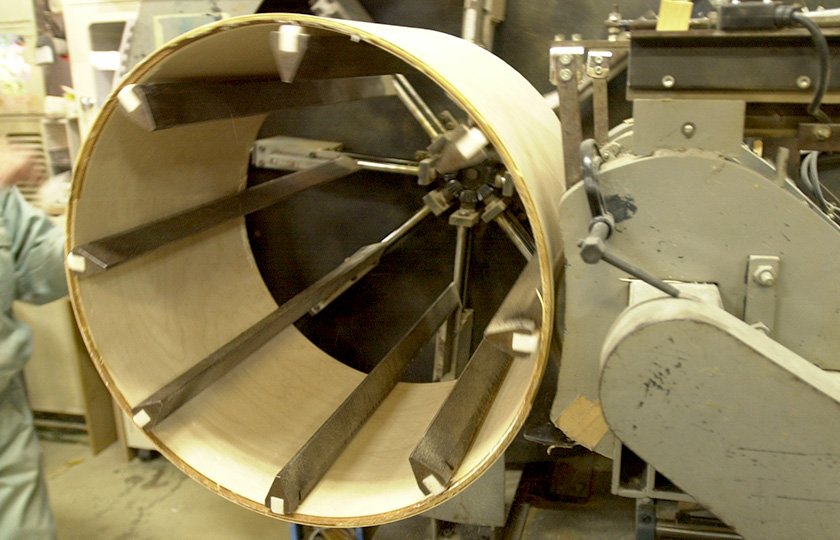
Understanding the drum shell gives you a huge advantage as a drummer because every decision about material, thickness, and shell design changes the voice of your kit. When you know how shells behave under different conditions, you’ll tune with confidence, buy smarter, and shape your sound with intention instead of guesswork. This guide walks you through every part of drum shell construction using simple language, engaging examples, and practical advice that you can use whether you’re building a kit or upgrading your current setup.
What Is a Drum Shell and Why It Matters for Your Sound
You hear a drum shell long before you think about it. When you strike a drumhead the vibration travels into the shell where it echoes, strengthens, and transforms into a clear note. That resonance defines the drum’s body, warmth, punch, and projection. You’ll notice that different shells highlight different frequencies. Some sound sweet and mellow while others hit harder with more aggressive overtones.
How Drum Shells Influence Tone and Projection
Every shell acts like a voice box. A thinner one responds quickly so soft strokes bloom into warm tone. A thicker one pushes the sound outward so loud hits feel powerful. Projection also shifts with material density. Maple produces balanced warmth while birch pushes attack forward. You’ll feel these changes when you test kits side by side. One drum seems polite while the other bites through the room.
Types of Drum Shell Materials (Wood, Metal, Acrylic, Hybrids)
As you explore shell options you’ll find four broad categories. Each one shapes the acoustic personality of your drums. Wood sounds organic and familiar. Metal snaps with clarity. Acrylic cuts through dense mixes. Hybrids mix flavors from multiple materials.
Below is a quick comparison chart:
| Material Type | Tone Character | Best Use | Strengths |
| Maple | Warm, balanced | Studio, all styles | Versatile, smooth |
| Birch | Bright, punchy | Live shows | Projection, clarity |
| Mahogany | Deep, vintage | Jazz, blues | Dark warmth |
| Steel | Crisp, loud | Rock, metal | Bright attack |
| Brass | Full, rich | Snares | Sensitive response |
| Acrylic | Focused, modern | Live or loud music | Volume, visual appeal |
| Carbon Fiber | Controlled, precise | Touring | Extremely stable |
Wooden Drum Shell Materials Explained
Wood shells remain the industry standard because they offer familiarity and wide tonal variation. Maple delivers a silky, even tone that sits well in almost any mix. Birch emphasizes higher frequencies so the drum feels brighter and more aggressive. Mahogany sits on the opposite end with a dark hum that gives toms a satisfying earthy quality. Other woods like walnut or cherry bridge the tonal gap with strong projection and rich harmonics.
Metal Drum Shell Options
Metal shells shine especially in snare drums because they respond quickly and deliver clean articulation. Steel offers sharp brightness. Brass has a fuller and more rounded voice. Aluminum feels dry and focused which works well for complex patterns. Bronze brings weight and character for players who want a snare with personality.
Acrylic and Synthetic Drum Shells
Acrylic shells burst onto the scene with their transparent look and powerful voice. They project well so drummers enjoy them for live shows. Carbon fiber shells lean into durability and consistency. They don’t shift tone much with temperature changes which makes them ideal for heavy touring schedules.
Hybrid Drum Shells
Hybrid shells combine woods or blend wood with metal rings. The goal is to create a tone with depth and clarity. You’ll see maple paired with walnut for warmth or birch mixed with mahogany for controlled body. These designs appear often in premium kits because builders use hybrids to fine tune frequency response.
Drum Shell Construction Methods
The construction method plays a massive role in how the shell behaves. Even the same wood sounds different depending on how the builder shapes it.
Ply Drum Shells
Most modern drums use multiple thin plies glued together. This cross-laminated approach strengthens the shell so it stays consistent over time. Thinner shells around three plies feel more open and resonant. Thicker ones with six or more plies punch harder and project with authority.
Stave and Segment Drum Shells
Stave shells use vertical blocks glued to form a cylinder. They behave similarly to handcrafted wooden barrels. These shells often sound clear and powerful because they use solid wood instead of thin layers. Segment shells follow a similar idea but use horizontal pieces arranged in rings. Both options appear often in boutique drums because each one requires careful craftsmanship.
Steam-Bent Drum Shells
A single piece of wood wraps into a round shape using heat and moisture. This method produces an extremely natural, smooth tone with a wide resonance. You’ll pay more for steam-bent shells because they require skilled workmanship and careful material selection.
Drum Shell Thickness and Bearing Edges
Shell thickness affects how much the drum vibrates. Thin shells sing with longer sustain while thick ones deliver fast attack and tight control. When you combine thickness with the right bearing edge you start to unlock even more tonal flavors.
Bearing Edge Types
A modern 45-degree edge sharpens the drum’s attack so the head vibrates freely. A double-45 increases sensitivity which makes ghost notes feel alive. Round-over edges soften the response and mimic vintage tones from mid-century drums.
Drum Shell Sizes and Their Effect on Sound
Diameter sets the pitch. Larger drums drop lower. Smaller ones rise higher. Depth affects sustain so deeper toms ring longer and shorter ones punch quicker. You can shape your kit toward your style by choosing shell sizes that support your goals.
Choosing Shell Sizes for Different Music Styles
- Jazz prefers smaller shells that tune higher and speak quickly.
- Rock leans toward larger sizes for low-end power.
- Metal uses deep toms and larger kicks for chest-rattling force.
- Studio work often mixes moderate sizes for maximum tuning range.
How to Choose the Right Drum Shell for Your Style
When you start evaluating shells think about your tone goals. Consider how you tune, where you play, and how loud your band gets. A quiet room rewards warm woods. A noisy bar benefits from bright projection.
Drum Shell Recommendations by Scenario
- Best for recording: Maple or hybrid woods for balance and control.
- Best for live gigs: Birch or acrylic for visibility and cut.
- Best for beginners: Poplar or low-ply maple for affordability and warm tone.
Drum Shell Maintenance and Longevity
Your drum shell needs care just like any wooden instrument. Keep humidity stable so wood doesn’t warp. Clean metal shells to prevent pitting. Store drums in padded cases during travel.
Common Drum Shell Problems
- Cracks: often from dryness or impact.
- De-lamination: plies separating due to moisture.
- Hardware tear-out: caused by overtightening lugs.
Cost Breakdown: What Affects Drum Shell Pricing
Price varies based on material grade, construction method, and builder experience. A hand-made stave drum requires far more labor than a machine-pressed ply shell. Boutique brands charge more because each drum goes through long inspection processes.
Comparative Price Table
| Shell Category | Typical Price Range | Notes |
| Entry-Level | $100–$400 | Poplar, basic plies |
| Mid-Range | $400–$1,200 | Maple, birch, hybrid |
| High-End | $1,200–$4,000+ | Stave, steam-bent, boutique |
Final Buying Guide and Summary
Before you commit to a drum shell take time to listen closely. Tap the raw shell if possible. Feel the vibration. Notice how long the note hangs in the air. Ask yourself what sound inspires you. When you choose a shell that matches your musical style you’ll enjoy playing more because the drum responds the way you imagine.








Leave a Reply