
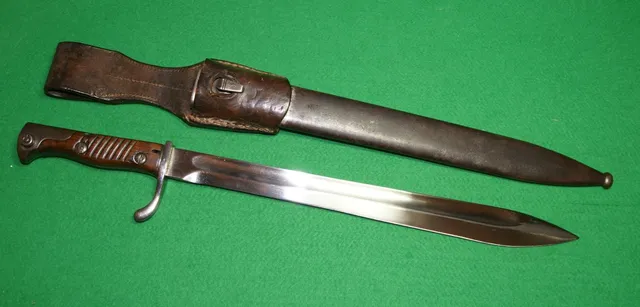
When you first explore bayonets for sale UK, you step into a world where history sits in your hands and every mark on a blade tells a story. You might search for a specific model that once shaped a battlefield or simply want to understand how this unique corner of militaria collecting works. Either way, this guide walks you through everything you need to know so you feel confident when you browse online listings or stand in front of a dealer’s cabinet at an antique fair.
What Makes Bayonets for Sale UK Such a High-Interest Market
Why Collectors Value Historic Bayonets
Many collectors feel drawn to bayonets because they carry powerful reminders of past eras. When you look at a Pattern 1907 or a Lee-Enfield blade, you touch craftsmanship shaped during intense moments in British history. These pieces bridge centuries of conflict from Victorian campaigns to both World Wars. Because interest in militaria keeps rising across the UK, well-preserved bayonets often appreciate in value which turns a hobby into a long-term investment.
You also find that each era produced distinct blade profiles, markings and materials. These differences help collectors trace the journey of a single unit or regiment. For example, an early-war 1907 bayonet with a hooked quillon sparks instant excitement because few survived after the modification order to remove hooks in 1913.
Legal and Ethical Rules You Must Know
Before you buy any item in the bayonets for sale UK category, you should understand the law. UK legislation allows the purchase, sale and ownership of antique bayonets for adults aged 18 or older. Modern combat knives fall under stricter rules but historic military blades remain legal when collected responsibly.
Still, it helps to store them securely, avoid carrying them in public and keep receipts or provenance documents. Ethical buying also matters since reputable sellers never deal in items connected to unlawful excavation or illegal importation.
Types of Bayonets for Sale UK Collectors Commonly Find
British Military Bayonets
When you browse the market, you often see these:
- Pattern 1907 (WWI–WWII)
- Pattern 1888 (Victorian era)
- No. 4 Mk II Spike Bayonet
- Short Magazine Lee-Enfield (SMLE) bayonets
Each model carries its own quirks. The 1888 uses a double-edged blade with two grip rivets while the 1907 includes long wooden scales and saw major battlefield use.
Foreign Bayonets Often Sold in the UK
Collectors also enjoy imported pieces since they showcase different design philosophies.
- Mauser K98
- US M1 Garand
- Mosin-Nagant
- Italian Carcano
- French Lebel
For example, the Mosin cruciform spike looks nothing like the wide fuller of a German Mauser. This variety makes foreign pieces a fun addition for anyone who wants more than British blades.
Modern Reproduction Bayonets
Reproductions help beginners practice identification or fill gaps in a display. High-quality replicas use accurate steel and correct markings although you still see subtle differences in machining.
They offer an affordable way to study history without risking damage to rare antiques.
Rare High-Value Options
A bayonet’s rarity depends on limited production numbers, regimentally stamped pieces or presentation items. A well-documented officer’s presentation bayonet can fetch several times the value of a standard one because of its historical background.
How to Evaluate Bayonets in the UK Market
Essential Features to Inspect
Experienced collectors examine:
- Blade condition
- Tip integrity
- Grip materials
- Maker stamps
- Unit markings
- Scabbard fit
These clues reveal whether the piece stayed original or suffered heavy modification. For example, an unsharpened 1907 blade often signals military use rather than post-war tool repurposing.
Authenticity Indicators
Because replicas continue to improve, careful evaluation matters. You can look for deep aging in the steel rather than surface-level acid aging. Serial numbers should match the scabbard when applicable. Grip scales should show natural wear patterns not rotary tool marks.
Factors That Influence Value
Several details drive price:
- Rarity
- Historical unit ties
- Matching components
- Condition rating
- Provenance paperwork
A bayonet with matching numbers often sells at a premium because it demonstrates the piece stayed intact through decades of ownership.
How Much Do Bayonets Cost in the UK
Below is a helpful guide.
Typical Price Ranges
- Entry-level: £40–£90
- Mid-range collectible: £100–£250
- High-value historic: £300–£900+
Price Comparison Table
| Bayonet Model | Era | Typical UK Price | Key Features |
| Pattern 1907 | WWI–WWII | £120–£300 | Long blade, multiple maker marks |
| No. 4 Spike | WWII | £40–£90 | Simple spike design |
| Mauser K98 | WWII | £100–£220 | Strong global demand |
| Mosin-Nagant | Early 1900s | £60–£160 | Folded spike or cruciform blade |
| Pattern 1888 | Victorian | £250–£450 | Desirable double-edged design |
Prices rise when the scabbard matches the blade or a regiment marking links the piece to a specific unit.
Where to Find Bayonets for Sale UK
Trusted Dealers
Established militaria dealers provide authenticity guarantees which makes them ideal for beginners. They often supply certificates, traceable purchase records and expert evaluations.
UK Auctions and Antique Fairs
You’ll find bayonets in:
- C&T Auctions
- Bonhams militaria sales
- Local antique shows
- Arms fairs across the Midlands and South East
Because auctions move fast, research helps you avoid bidding beyond the item’s true value.
Collector Forums and Communities
Enthusiasts meet in online groups where private sales sometimes offer better deals. However you should always request detailed images and confirm the seller’s reputation before agreeing to a purchase.
Online Marketplaces
Specialist militaria websites often host safer listings than broad sites. eBay UK permits antique bayonets but prohibits modern combat knives so sellers follow strict rules.
Tips for Safe and Smart Buying
How to Verify a Dealer
Reputable sellers provide:
- Clear photos
- Transparent terms
- Knowledgeable descriptions
- Authenticity checks
If a dealer avoids questions or refuses to show blade markings, you should reconsider the purchase.
Common Mistakes You Can Avoid
Many beginners overspend on models that seem rare but aren’t. Others buy bayonets with heavy rust that hides deep pitting under the surface. With patience you can spot these issues before they turn into expensive regrets.
Preserving Your Collection
Good storage extends the life of any blade. You can keep bayonets in low-humidity cabinets and apply light oil to prevent oxidation. Scabbards should stay dry because old leather sometimes traps moisture.
Case Studies from the UK Bayonet Market
Case Study 1 — The Pattern 1907 Discovery
A collector bought a worn 1907 for £60 at a flea market. After cleaning and researching it, he discovered it belonged to an early-war unit. Its value jumped to more than £300.
Case Study 2 — A Decade of Value Growth
Another collector built a small collection of Victorian bayonets and watched his initial £700 investment grow to over £2,500 within ten years because interest in rare British pieces increased.
Case Study 3 — Avoiding a Replica Trap
A beginner nearly bought a fake Mauser bayonet until an expert noticed machine marks typical of modern reproductions. That advice saved him from losing more than £150.
Frequently Asked Questions About Bayonets for Sale UK
- Are antique bayonets legal in the UK? Yes for adults over 18.
- Can they be shipped? Yes within legal guidelines.
- How do I identify markings? You can study manufacturer codes and military abbreviations.
- Which model should beginners start with? The No. 4 Spike offers an affordable entry point.
Conclusion — Finding the Best Bayonets for Sale UK
You step into a fascinating world when you explore bayonets for sale UK. With careful research you can uncover pieces that carry deep historical weight and continue to rise in value. When you follow legal guidance and buy from trusted sources, you build a collection that tells powerful stories while staying secure and well preserved for years to come.






Leave a Reply