
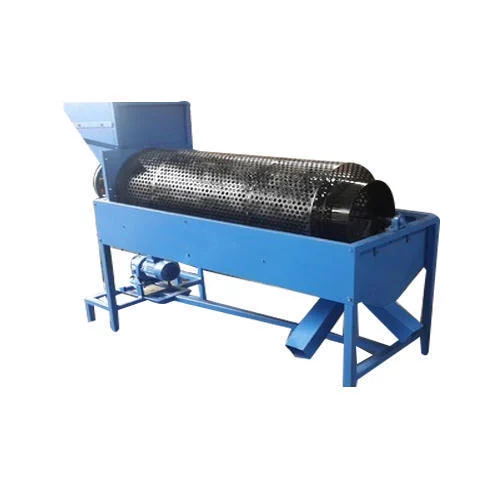
A sahara nut machine gives you reliable roasting, consistent flavor, and faster production. When you run a snack business you need results that repeat. This machine stabilizes heat and airflow which reduces burnt batches and improves shelf life. Below you’ll find detailed explanations on operation, types, costs, maintenance, and buying advice. Practical tips and real examples show how to get the most from your investment.
What Is a Sahara Nut Machine and Why It Matters
A sahara nut machine is a rotating-drum roaster built for nuts and seeds. It controls temperature and airflow so kernels roast evenly without manual turning. The machine suits peanuts, almonds, cashews, pistachios, hazelnuts, and a wide range of seeds. Small shops, artisan brands, and large processors use it to stabilize product quality and to scale production.
Why businesses choose this equipment
- It produces repeatable color and crunch which customers expect.
- It reduces human error which limits waste and rejects.
- It improves throughput which grows revenue.
- It supports flavored and seasoned lines because heat stays consistent.
How the Sahara Nut Machine Works — Step by Step
The basic principle remains simple: heat, rotation, and airflow create uniform roast. Manufacturers design the roasting chamber to move hot air around tumbling nuts. Sensors monitor temperature and adjust power automatically which prevents overheating during long cycles.
Roasting cycle overview
- Preheat — The chamber reaches the desired set point for the nut type.
- Load — Operators feed nuts through a hopper into the rotating drum.
- Roast — Drum rotation and balanced airflow eliminate hotspots.
- Adjust — The control unit alters heat to keep roast curves stable.
- Cool — An automatic cooling zone stops residual cooking and preserves oils.
- Season or pack — Nuts move immediately to seasoning or packaging stations.
Why this method improves quality
Even contact with heat prevents blackened edges. Controlled cooling locks in aroma and protects natural oils. Automated correction reduces variation between early and late batches. For a brand this predictability turns into repeat purchases.
Types of Sahara Nut Machines — Choosing by Capacity
You need the right category to match output goals. Below is an easy table to compare common classes.
| Type | Typical Capacity | Best For | Key Benefit |
| Mini | 5–15 kg/hr | Startups, tasting labs | Low cost and compact footprint |
| Commercial | 25–80 kg/hr | Small factories and shops | Strong throughput at moderate cost |
| Industrial | 100–500+ kg/hr | High-volume processors | Full automation and conveyor integration |
Mini models
Use small roasters to test flavors and validate recipes. They work in tight spaces and require minimal training.
Commercial models
Choose these if you sell to retailers or wholesale. They balance performance and affordability which suits scaling brands.
Industrial systems
Install full lines when you need continuous roasting, seasoning, and packaging. These systems lower labor intensity and raise output per hour.
What Nuts and Seeds Roast Best in a Sahara Nut Machine
This equipment handles many kernels. Each type needs specific temperature and time to reach ideal texture and flavor.
Roasting reference table
| Kernel | Temperature | Typical Time | Notes |
| Peanuts | 150–165°C | 18–25 min | Adjust for moisture content |
| Almonds | 140–150°C | 12–18 min | Watch for sweet aroma development |
| Cashews | 125–140°C | 10–16 min | Lower heat preserves shape |
| Hazelnuts | 150–160°C | 15–20 min | Shelling affects roast time |
| Pistachios | 130–150°C | 12–18 min | Salted pistachios need special handling |
Treat these values as starting points. Moisture, kernel size, and desired color require adjustments.
Key Features to Look For When Buying a Sahara Nut Machine
Not all roasters are equal. Focus on parts and controls that deliver repeatable results.
Must-have features
- Precise digital temperature control that lets you program profiles.
- Balanced airflow system for even heat distribution.
- Stainless steel contact surfaces to meet food safety standards.
- Solid drum construction to avoid warping from heat.
- Automatic cooling tray to halt residual cooking immediately.
- Safety cutoffs for over-temperature protection.
Nice-to-have features
- Programmable recipes for different nut types.
- Integrated seasoning or oiling modules.
- Energy-efficient insulation and burners.
- Remote monitoring and alarms.
Advantages and Business Benefits
A quality roaster returns value beyond the first sale. It improves efficiency and reduces avoidable loss which strengthens margins.
Operational benefits
- More consistent product quality day after day.
- Reduced batch rejections due to burnt kernels.
- Faster line speeds with less manual oversight.
- Lower energy use per kg when the chamber stays insulated.
- Cleaner working environment with less smoke and odor.
Market benefits
- Easier shelf placement when product looks consistent.
- Repeat buyers who trust each package.
- Faster product line expansion into flavored mixes.
- Better chances with supermarket buyers who demand stable supply.
Cost Breakdown and What to Budget For
Price depends on capacity, automation, and brand. Expect differences based on features and region.
Price table (approximate, 2025)
| Class | Price (USD) |
| Mini | $500–$1,200 |
| Commercial | $1,500–$4,500 |
| Industrial | $6,000–$25,000+ |
Other costs to include
- Installation and electrical work
- Shipping and customs for imported units
- Spare parts and filters
- Training for operators
- Seasonal maintenance and inspections
Plan total cost of ownership not just purchase price.
Maintenance and Cleaning Best Practices
Routine care keeps flavor pure and avoids downtime. A simple checklist prevents major failures.
Daily tasks
- Remove residue from the drum after every full shift.
- Check the cooling tray for trapped oil and clean it.
- Inspect hopper seals for residue buildup.
Weekly tasks
- Inspect burners and heating elements.
- Clean air vents and dust filters.
- Test safety cutoffs.
Monthly tasks
- Calibrate temperature sensors.
- Lubricate bearings and drive components.
- Replace worn gaskets or belts.
Quote from a production manager
“We cut rejects by half after instituting a daily clean routine. A clean drum equals clean flavor.”
— Production Manager, regional nut brand
Common Troubleshooting Tips
Problems happen even with good machines. Here are quick fixes for typical issues.
- Uneven roast — Check drum rotation speed and airflow balance.
- Burnt edges — Reduce peak temperature or shorten cycle time.
- Low throughput — Clean vents and verify burner output.
- Sensor drift — Recalibrate temperature probes or replace if faulty.
- Excess smoke — Clean oil buildup and inspect seals for leaks.
Document each issue and corrective step to build a reliable maintenance log.
Case Studies — Real Results From Real Businesses
Two brief studies show practical outcomes and ROI.
Case Study A — Urban Snack Shop
A two-person shop bought a 30 kg/hr roaster to replace pan roasting. Production tripled which allowed them to supply three local grocery stores. Within three months the owner reported improved product consistency and a 40% sales increase. The machine paid off in under nine months.
Case Study B — Regional Food Processor
A mid-size plant installed an industrial roaster line that connected to a packaging machine. Labor needs fell by 35% and monthly output rose by 220%. The company gained two supermarket contracts because it could guarantee identical roast across pallets.
How to Choose the Right Sahara Nut Machine for Your Business
Decide using clear criteria that fit your production plan.
Buying checklist
- Estimate daily and weekly production needs.
- Choose a capacity that offers 20–30% headroom.
- Verify local service and spare part availability.
- Confirm energy source compatibility: electric, gas, or hybrid.
- Ask for a site visit or demo before purchase.
- Request a full warranty and a parts list.
Include training and spare parts in the negotiation.
Final Thoughts — Is a Sahara Nut Machine Worth It?
If you aim for reliable taste, predictable output, and scalable operations then this equipment makes sense. Small brands benefit from consistency which builds customer trust. Larger processors gain throughput and lower labor costs which improves margins. Your decision should match realistic production forecasts and account for support and maintenance. When you pair the right model with disciplined operation you convert raw kernels into a product that sells.













Leave a Reply