
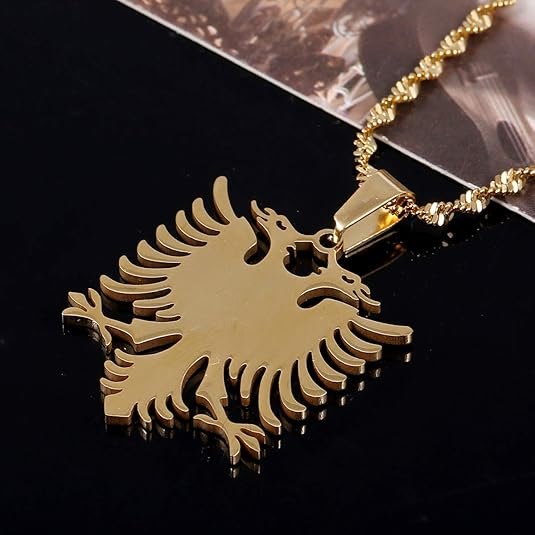
When you explore traditional Balkan jewelry you eventually discover something special. The Albanian necklace stands out with bold symbolism, handcrafted artistry, and a sense of identity that feels almost legendary. This guide gives you a deep, practical look at its origins, cultural meaning, craftsmanship, and how you can choose the right piece for your own collection.
What Makes the Albanian Necklace Unique
Traditional Albanian jewelry blends heritage with striking artistic detail. When you study these pieces you notice how each one carries stories that run through centuries.
A quick overview of Albanian necklace traditions
Artisans in Albania have passed down metalworking skills through generations. You see this in the delicate filigree patterns and symbolic motifs that outline many traditional pieces. These necklaces often use silver because it was widely accessible in mountain communities.
Why Albanian jewelry holds such deep cultural symbolism
Across villages you find jewelry that once served as protection, social markers, and family gifts. Many families still hand down necklaces during weddings and milestone events. These pieces carry blessings for luck and prosperity.
Key features that separate an Albanian necklace from other Balkan jewelry
- Intricate silver filigree
- The double-headed eagle motif
- Regional patterns that tell family or tribal stories
- Handmade shapes with slight imperfections that prove authenticity
The History of the Albanian Necklace
The roots of this jewelry tradition run deeper than many people realize.
Ancient Illyrian origins
Illyrian tribes wore metal ornaments as early as the 4th century BCE. Archaeologists found pendants shaped like suns, spirals, and protective charms. These patterns later blended into the recognizable Albanian necklace designs.
Influence of the Ottoman era
Centuries of Ottoman rule introduced new art styles. Jewelers learned advanced metalworking that shaped modern filigree patterns. This era also popularized amulets that families wore for spiritual protection.
Regional variations
Different regions developed their own styles.
| Region | Signature Style | Common Material |
| Shkodër | Bold eagle pendants | Silver |
| Gjirokastër | Dense filigree patterns | Silver and gold mix |
| Prizren | Large medallions | Silver |
| Tirana | Modern minimalist interpretations | Gold |
The evolution of design
As Albania modernized artisans created sleeker shapes while preserving cultural themes. Today you find designs that combine traditional filigree with minimalist chains suited for everyday outfits.
Cultural Meaning Behind Albanian Necklaces
These pieces represent more than beauty. They tell you something about identity, resilience, and community.
Symbols and motifs
Common symbols include spirals for eternity, suns for prosperity, and protective eye shapes. These details once signaled a family’s values.
The double-headed eagle
This emblem comes from the Albanian flag. People wear it to express heritage and national pride. Many modern Albanian necklaces feature eagle pendants in silver or gold.
Role in weddings and family events
Brides often wear elaborate pieces that symbolize purity and strength. Families pass these necklaces to daughters as part of their dowry.
Materials with meaning
Silver symbolizes protection in many Albanian communities. Gold represents success and social status.
Types of Albanian Necklaces
Jewelry lovers appreciate the variety within this category.
Traditional handcrafted pieces
These necklaces showcase heavy filigree and ornate pendants. They are perfect for collectors who prefer authentic heritage items.
Modern minimalist designs
Designers now create sleek versions with subtle motifs. These pieces are ideal if you prefer everyday wear.
Antique gold necklaces
Gold Albanian necklaces often feature raised patterns and thick chains. Many antique shops in Tirana carry restored gold pieces.
Silver filigree necklaces
Filigree appears across Albania. It reflects hours of meticulous hand twisting and shaping.
Eagle pendant necklaces
You see these worn during cultural holidays, national celebrations, and diaspora events.
Materials and Craftsmanship
Albanians treat jewelry craftsmanship like an art form.
Why filigree dominates
Filigree involves twisting thin metal wires into lace-like patterns. The design requires patience and high precision which explains why true handmade filigree pieces cost more.
Gold, silver, and mixed metals
- Silver has protective symbolism
- Gold signals wealth
- Mixed metals offer durability and balanced color tones
Handcrafted vs machine-made
Handmade necklaces almost always show organic variations. Machine-made copies look too perfect and often lack depth in the patterns.
How to evaluate quality
Look for:
- Clear filigree loops
- Solid pendant weight
- Smooth backing
- Consistent soldering
How to Style an Albanian Necklace
A well-chosen piece can elevate your outfit.
Pairing with modern clothing
You can wear a minimalist eagle pendant with everyday shirts or sweaters. Traditional heavier pieces look better with simple tops that let the necklace stand out.
Styling for men
Men often prefer thicker chains with bold pendants. A silver eagle works well with casual outfits.
Layering tips
Keep only one statement piece. Layer thinner chains around it to create contrast.
Seasonal styling
- Summer: light chains with small pendants
- Winter: bold filigree pieces that complement thicker fabrics
How to Identify an Authentic Albanian Necklace
Collectors should learn the difference between genuine and imitation pieces.
Key authenticity markers
- Slight imperfections that indicate handwork
- Hallmark stamps showing silver or gold purity
- Filigree patterns with depth rather than flat engravings
Signs of replicas
- Identical mass-produced patterns
- Very lightweight metal
- Unnaturally perfect symmetry
Why hallmarks matter
Hallmarks guarantee metal quality. You often find “925” on silver pieces.
Questions to ask sellers
- Where was the piece made
- Who crafted it
- What material purity does it hold
Best Places to Buy an Albanian Necklace
Whether you travel to Albania or shop online you can find reputable sources.
Reliable online shops
While options change often you can explore trusted marketplaces that feature Balkan artisans. Always confirm seller reviews and authenticity guarantees.
Popular physical shops
Cities like Tirana, Shkodër, and Prizren have jewelers who specialize in filigree techniques.
Local bazaars
These markets offer traditional handmade pieces. You can sometimes negotiate prices while chatting with artisans.
Antique and vintage finds
Collectors find rare pieces in old family shops. Many artisans restore aged filigree to preserve history.
How to Care for Your Necklace
Proper care helps your jewelry last for generations.
Cleaning silver filigree
Use a soft cloth and gentle polishing cream. Avoid harsh chemicals because they damage the delicate wires.
Storage tips
Store in separate pouches so chains do not tangle. Keep in dry places to prevent tarnish.
When to seek restoration
If filigree wires bend or break visit a specialized jeweler who understands Balkan metalwork.
Frequently Asked Questions
What does the eagle symbol mean
It represents bravery and heritage. Many Albanians wear it during cultural events.
Can you wear these necklaces every day
Modern minimalist pieces suit daily wear. Vintage pieces work better for events.
Why do some pieces cost more
Handmade filigree requires many hours of precise work. Gold versions also carry higher material value.
Do Kosovo styles differ
Kosovo designs often feature heavier chains and larger pendants though they share similar motifs.
Final Thoughts on Choosing the Right Albanian Necklace
You want a necklace that reflects your story while honoring centuries of Albanian artistry. When you explore options pay attention to craftsmanship, symbolism, and material quality. A well-chosen piece gives you beauty, identity, and history in one powerful accessory.



Leave a Reply