
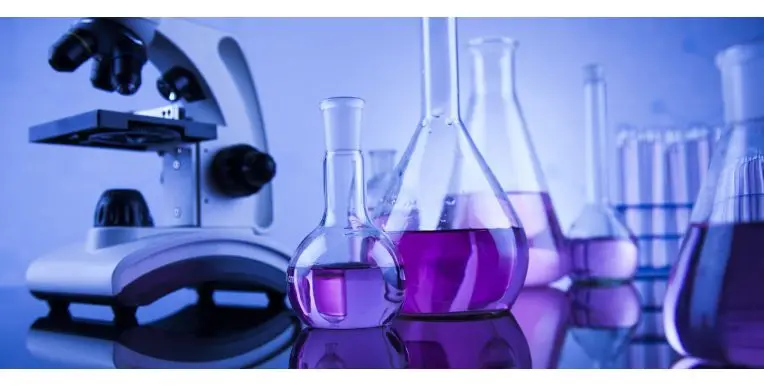
Understanding chem equip—short for chemical equipment—is essential for anyone working in science, manufacturing, or industrial chemistry. Whether you’re a researcher mixing solutions or a plant manager overseeing chemical production, your tools determine the accuracy, safety, and efficiency of your work. In this guide, you’ll explore what chem equip is, the different types, how to choose the right tools, and how to maintain them for long-term success.
What Is Chem Equip?
Chem equip refers to the tools, instruments, and machines used to handle, process, analyze, and store chemicals. From a simple beaker to advanced analytical devices like spectrophotometers, chemical equipment forms the backbone of modern science and industry.
Key Components of Chemical Equipment
Chem equip can be divided into three main categories:
- Basic Laboratory Equipment – Beakers, flasks, pipettes, burettes, balances.
- Analytical Instruments – Spectrophotometers, chromatographs, pH meters, titrators.
- Industrial Process Equipment – Reactors, separators, filtration systems, distillation columns.
Each type serves a specific purpose, from measurement and analysis to large-scale manufacturing. The right combination of these tools enables precision, reproducibility, and safety in every chemical operation.
Why Chem Equip Matters
1. Enhancing Accuracy and Reliability
High-quality equipment ensures measurements are accurate and repeatable. A miscalibrated pipette or balance can lead to flawed results, wasted reagents, and even failed experiments. Consistent, reliable instruments are vital for both academic research and industrial production.
2. Improving Safety and Compliance
Chemistry can be dangerous when equipment fails. Using certified and well-maintained chem equip minimizes accidents, leaks, and exposure to harmful substances. Compliance with standards like ISO 9001 or ASTM International ensures safety and legal protection.
3. Boosting Productivity and Efficiency
Modern chemical equipment allows automation and real-time monitoring, reducing manual labor and human error. For example, an automated titrator can perform multiple tests with high precision while freeing up technicians for other tasks.
How to Select and Use Chem Equip
Choosing the right chem equip isn’t just about price—it’s about purpose, quality, and maintenance.
Selection Criteria
Before purchasing, evaluate these key factors:
| Factor | Description |
| Application | Determine if you need equipment for research, education, or production. |
| Material Compatibility | Ensure materials can handle acids, solvents, or high temperatures. |
| Accuracy & Capacity | Match precision to your project’s needs. |
| Budget & Lifecycle Cost | Include maintenance, calibration, and repair in cost planning. |
| Supplier Reliability | Choose vendors with after-sales support and calibration services. |
Best Practices for Usage
- Always read manufacturer manuals before use.
- Calibrate equipment regularly to maintain accuracy.
- Follow Standard Operating Procedures (SOPs) for every device.
- Keep equipment clean and free from chemical residues.
- Record data, calibration, and maintenance in a lab equipment logbook.
Maintenance and Storage
Proper maintenance extends the life of chem equip and prevents costly downtime.
- Routine Inspections: Check seals, joints, and electronic parts weekly.
- Cleaning Protocols: Use approved solvents; avoid cross-contamination.
- Storage: Keep glassware in padded shelves and instruments in dry, ventilated areas.
- Documentation: Maintain a maintenance history sheet for audits and compliance.
Types of Chem Equip
1. Basic Laboratory Equipment
These are everyday tools for measurement, heating, and chemical reactions:
- Beakers and Flasks: For mixing and heating solutions.
- Pipettes and Burettes: For precise liquid measurements.
- Balances: For weighing chemicals accurately.
- Burners and Hot Plates: For controlled heating.
2. Analytical Equipment
Used for advanced testing and characterization:
- Spectrophotometers: Measure absorbance and concentration.
- Chromatographs (HPLC/GC): Separate and identify compounds.
- pH Meters: Monitor acidity levels.
- Titrators: Automate chemical titration.
3. Process and Industrial Equipment
Used in large-scale chemical production:
- Reactors: Control chemical reactions under pressure and temperature.
- Distillation Columns: Separate mixtures based on boiling points.
- Filtration Units: Remove solids from liquids or gases.
- Storage Tanks: Safely store chemicals for future use.
| Equipment Type | Primary Use | Notable Feature |
| Laboratory Tools | Mixing, measuring | Affordable, versatile |
| Analytical Instruments | Analysis, quality control | High precision |
| Industrial Equipment | Production, scaling | High capacity, automated |
Case Studies: How Chem Equip Impacts Real Scenarios
Case Study 1: Research Laboratory Upgrade
A university lab replaced outdated glassware and balances with automated measurement systems. Result: a 40% improvement in data accuracy and fewer experiment failures.
Case Study 2: Industrial Plant Modernization
A chemical manufacturer upgraded to automated reactors with digital temperature control. Output increased by 25%, and maintenance costs dropped by half.
Case Study 3: Safety Incident Prevention
A pharmaceutical lab prevented a major accident when sensors in its chemical mixing system detected overheating and shut the system down automatically—saving thousands in potential damages.
“The right equipment doesn’t just make work easier—it keeps people safe and results reliable.”
Challenges and Limitations
Even the best chem equip can pose challenges:
- High Costs: Advanced instruments can be expensive.
- Maintenance Needs: Regular calibration and servicing are essential.
- Training Requirements: Staff must understand correct handling and safety procedures.
- Environmental Impact: Disposal of outdated or damaged equipment must follow sustainability guidelines.
Tip: To manage costs, small labs can lease or share high-end instruments through cooperative research networks.
Measuring Success with Chem Equip
Performance Metrics
Track these key metrics to ensure optimal use:
| Metric | Meaning | Goal |
| Uptime | How often equipment is operational | > 95% |
| Accuracy Rate | Measurement reliability | Within 1% tolerance |
| Maintenance Frequency | Number of interventions per year | < 3 |
| Energy Use | Power efficiency | As low as possible |
Continuous Improvement
- Upgrade regularly to keep up with evolving standards.
- Automate routine tasks to reduce human error.
- Review maintenance logs quarterly to identify patterns.
- Replace outdated equipment before it becomes unsafe.
FAQs About Chem Equip
Q1: How long does chemical equipment last?
Typically, 5–10 years depending on maintenance and usage.
Q2: How often should equipment be calibrated?
Analytical instruments: monthly. Basic tools: quarterly.
Q3: Can small labs afford advanced chem equip?
Yes—leasing and shared lab networks make it accessible.
Q4: What are the main certifications to look for?
ISO 17025 for calibration labs, CE marking, and ASTM compliance.
Q5: What trends are shaping chemical equipment today?
Automation, IoT integration, energy efficiency, and sustainable materials.
Conclusion: Your Next Steps with Chem Equip
Choosing, using, and maintaining chem equip wisely determines the success of any chemical operation. From precise lab instruments to massive industrial systems, every piece plays a role in ensuring accuracy, safety, and innovation.
Start by auditing your current equipment, identifying gaps, and investing in tools that align with your goals. Maintain them regularly, train your team, and track performance metrics to ensure lasting efficiency.
In the world of chemistry, your equipment isn’t just a tool—it’s your partner in discovery and progress.












Leave a Reply