
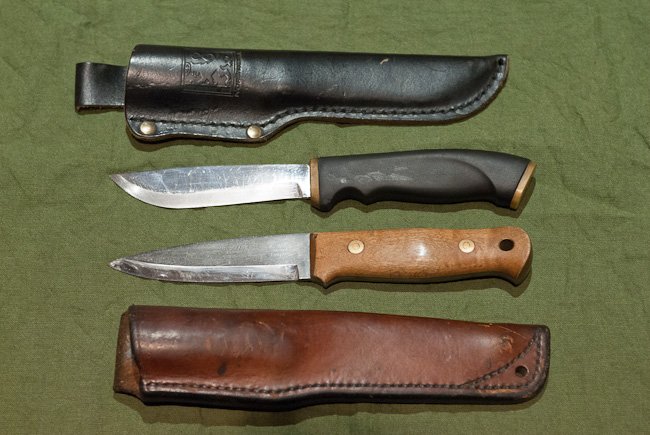
You notice something special the moment you hold an Alan Wood knife. The blade feels balanced. The handle sits naturally in your palm. You sense the calm confidence of a maker who spent decades perfecting each detail. This guide walks you through everything that shapes the legacy of Alan Wood knives from the craftsman’s journey to the steel that built his reputation.
What Makes Alan Wood Knives So Respected?
Knife enthusiasts have confidence in Alan Wood as he has established a reputation based on meticulousness and genuine craftsmanship. Each knife that comes out of his workshop is designed with intention, whether aimed at outdoor activities or precise hunting tasks. When acquiring a blade, it’s not merely a purchase; you are obtaining the expertise of a skilled bladesmith who has dedicated years to perfecting design, usability, and effectiveness.
You see his influence across the bushcraft world. Many outdoor schools and instructors use his blades because they hold an edge longer than mass-produced alternatives. They also handle tough conditions without losing stability.
His skill is clear in the assortments of individuals who genuinely appreciate meticulously crafted art. They value his knife-making skills, heat treatment approach, and how knives gain uniqueness over time.
The Story Behind Alan Wood – A Master Bladesmith
Early Life and Journey Into Knife Making
Alan Wood began experimenting with blade design as a young craftsman who loved the outdoors. He wanted knives that worked with him rather than against him when he trekked through rough terrain or prepared game after a long day. That early frustration shaped his future because he built tools he wanted to use himself.
The Rise of a Custom Knife Legend
Word spread after outdoor instructors noticed how well his knives performed during field courses. Students wanted the same tools. Instructors praised the edge retention. Reviewers highlighted the smooth yet firm ergonomics. His partnership with Ray Mears pushed his name even further. Many consider that collaboration one of the most influential relationships in bushcraft history.
The Signature Features of Alan Wood Knives
Blade Geometry and Steel Choices
Alan Wood selects steel for performance not trends. Many of his knives use O1 tool steel because it sharpens easily and holds an edge during long tasks. You also see RWL34 and 12C27 in certain custom builds. These steels resist corrosion while still providing impressive sharpness.
Why his blades stand out:
- Heat treatments done with extreme care
- Strong spines for controlled pressure
- Fine tips that still hold structure
- Edge profiles designed for real outdoor work
Handle Materials and Ergonomics
You feel the comfort immediately when you grip an Alan Wood handle. He often shapes handles from:
- Curly birch
- Stabilised hardwood
- Micarta
- Antler (limited editions)
He rounds each contour so the knife becomes an extension of your hand. This shape reduces fatigue during long carving sessions or controlled field dressing.
Fit, Finish, and Functional Artistry
You notice small details when you inspect his work. Clean pins. Perfect transitions. Smooth bevels. Even grind lines. These touches define Alan Wood knives because they show a maker who refuses shortcuts.
Popular Alan Wood Knife Models
The Alan Wood Bushcraft Knife
This model shaped bushcraft culture. It became the standard because it handles carving, feathering, food prep, and fire-craft effortlessly. Outdoor schools still recommend it to students who want one knife they can trust.
The Alan Wood Hunting Knife
Hunters choose this model for clean game prep. The blade geometry cuts smoothly without tearing meat or damaging hides. The handle gives strong grip even when your hands feel cold or damp.
Alan Wood Kitchen and Utility Knives
These knives appear less often yet they impress anyone who uses them. You get a light, razor-sharp edge that glides through vegetables, meat, and herbs. The fit and finish match his outdoor knives which makes them durable in busy kitchens.
Limited Editions and Collectors’ Pieces
Collectors chase limited runs because each one feels like art. These often include rare woods, damascus patterns, or unique blade shapes. Their scarcity increases value over time.
Alan Wood Knives vs Other High-End Custom Knives
Comparison Table
| Brand | Craft Level | Steel Options | Field Strength | Price Range |
| Alan Wood | Exceptional | O1, RWL34, 12C27 | Very high | High |
| Ray Mears (collaborations) | Excellent | O1 | High | Very high |
| Bark River | Strong | A2, CPM steels | High | Mid |
| Fallkniven | Excellent | Laminated VG10 | Very high | Mid |
Strengths and Weaknesses
Strengths: legendary ergonomics, consistent heat treatment, rare patterns, high collectability.
Weaknesses: long wait lists, premium prices, limited availability.
How to Identify a Genuine Alan Wood Knife
Stamp, Signature, and Maker’s Marks
A real Alan Wood knife usually carries a clean maker’s stamp near the spine. Older models sometimes used slightly different placements so researching by year helps verify authenticity.
Common Counterfeit Red Flags
- Uneven grinds
- Rough handle transitions
- Incorrect steel
- Poor sheath quality
- Suspiciously low pricing
If something feels off trust your instincts and research the seller.
How Much Do Alan Wood Knives Cost?
Price Ranges by Model
| Model Type | Typical Price |
| Bushcraft knives | £400–£700 |
| Hunting knives | £350–£600 |
| Limited editions | £700+ |
| Rare collector pieces | £1000+ |
Why Alan Wood Knives Hold Their Value
You see high resale value because production remains very limited. Collectors hold onto their knives and demand grows every year. You also get strong performance so buyers feel confident spending more.
Where to Buy Alan Wood Knives
Official and Trustworthy Sources
- Established UK knife dealers
- Reputable online craft blade marketplaces
- Known bushcraft forums
- Knife shows and specialist events
Secondary Market Tips
Always check photos closely. Ask for details about use and sharpening history. Compare maker stamps with verified examples. Study grain patterns in wood handles to spot damage or replacements.
How to Care for and Maintain Your Alan Wood Knife
Sharpening Techniques
Use whetstones or diamond plates. Keep a consistent angle around 25 degrees for most models. A few gentle passes on a strop maintain razor sharpness after each use.
Handle Treatment and Storage
Oil wooden handles every few months. Wipe the blade dry after each session. Store the knife in a cool dry place rather than inside a tight leather sheath for long periods.
Real User Experiences With Alan Wood Knives
Case Studies
Bushcraft Instructor:
A seasoned instructor used his Alan Wood bushcraft knife for fifteen years. He carved traps carved spoons shaved tinder and prepared meals. The blade still kept its structure.
Hunter:
A professional stalker commented that the knife performed reliably during cold morning field dressing sessions because the grip never slipped.
Expert Quotes
“Alan Wood knives exemplify the result when skill and dedication shape every decision taken.”
“You can feel the proficiency as soon as the blade touches the wood.”
These quotes appear often in bushcraft communities and review forums.
Final Thoughts on Alan Wood Knives
The tradition of Alan Wood knives keeps expanding due to the confidence people have in tools crafted with care and diligence. You receive a blade that excels in practical use. You obtain a handle designed with purpose. Additionally, you acquire a work of art that retains its worth over time. Whether you use it daily or display it proudly you own something that carries the spirit of true custom knife making.







Leave a Reply